
FILM · 52″ · FACEBOOK & INSTAGRAM
CLAUDETTE · FOUR SEASONS
Case study · AccèsPharma Martin Payer
A pharmacy film made from two photos.
In Fair Light made a short film for AccèsPharma Martin Payer, a community pharmacy in Hull, from two cell phone photos. No crew, no shoot, one week.
§ 01 · The numbers
01 / 09
2
Source material
Cell phone photos
0
Crew on site
Nobody sent to the store
8
Scenes
Seasonal vignettes
1 wk
Production time
Brief to delivery
3
Follow-on work
Reels delivered, in a monthly series
§ 02 · At a glance
02 / 09
Client
AccèsPharma Martin Payer
01
Location
Hull (Gatineau), Québec
02
Service
Video · Motion · AI · Design
03
Deliverable
A 52-second short film, plus an ongoing monthly social series
04
Tools
Figma storyboards, AI video generation, Premiere, After Effects
05
Year
2026
06
§ 03 · How it was made
03 / 09
The challenge
The pharmacy offers free home delivery. Same driver every time, one phone call to set it up. Few of their customers knew it existed.
The approach
The repetition is the joke, and the joke is the message. This service runs so reliably it borders on boring.
The film opens and closes with Claudette, who drove to the pharmacy every month for years because no one told her about Michel. Her quiet frustration at finding out late is the call to action.
Eight scenes, one driver, four seasons. Same uniform, same single ring of the doorbell, same line: Bonjour. Vos médicaments.
The craft
Every frame started as a cell phone photo of the pharmacy and its delivery driver. Each of the eight scenes was built as art-directed start and end frames, animated through an AI video pipeline, then finished like any broadcast job: edit, grade, typography, pacing.
French narration with one recurring English anchor line, matching how the Outaouais sounds. Original soundtrack. The whole thing, from the first idea to the last export, was produced by In Fair Light in about a week, carte blanche.
AI kept the production light enough that a community pharmacy could afford creative direction at all. The creative decisions stayed human.
Method
Input, frames, generation, finish. The same four steps on every film we make with AI.
Input
Two photos, sent by email, under five minutes of the owner's time.
01
Frames
Each of the eight scenes was built as art-directed start and end frames in Figma.
02
Generation
The frames were animated through an AI video pipeline.
03
Finish
Edit, grade, typography, pacing. First idea to last export in about a week.
04
§ 04 · The result
04 / 09
Before the film
The pharmacy offered free home delivery, same driver every time, one phone call to set it up. Few of their customers knew it existed.
1
Brief, carte blanche
2
Photos from the owner's phone
After the film
The film reached the agency that runs his social channels, and that became a monthly series of reels for Instagram, briefed by the agency and produced by In Fair Light.
1
Film, 52 seconds
3
Reels delivered, in a monthly series
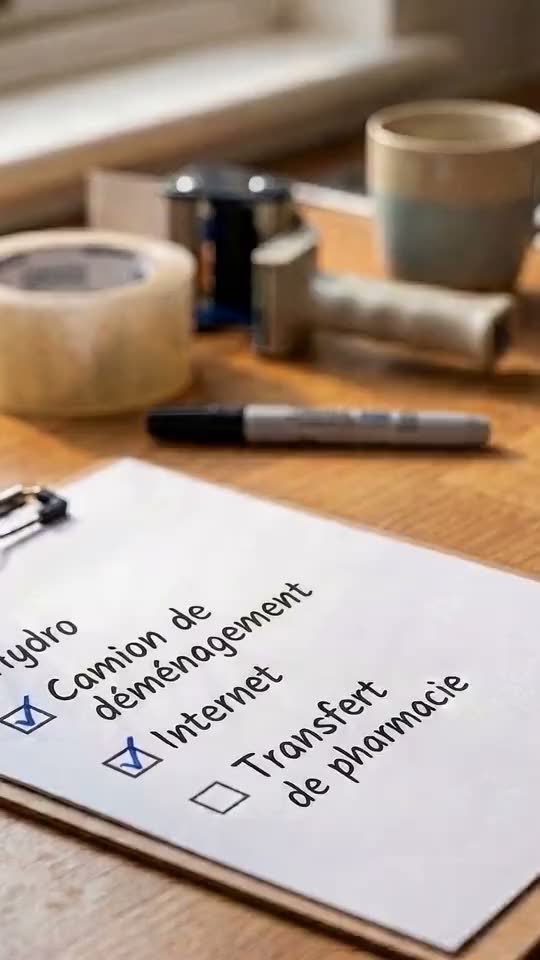
The reels
“Transfert de pharmacie.” On moving a prescription file after a move. Delivered on a Tuesday, two revision notes came back the next day, both turned around that evening, and the capsule was signed off the day after that.
“Livraison.” Eighteen seconds on the free home delivery service, approved and in use. “Rentrée et inhalateur,” on checking a child’s asthma inhaler before the school year, was brief to approved storyboard in a week.
The remaining reels run monthly through the fall.
§ 05 · What the owner said
05 / 09
Martin Payer had been asked by a videographer for close to half a day of his time to shoot a small video for the store. With In Fair Light, his part took under five minutes: two photos on his phone, sent by email. No cameras in the aisles, no customers wondering what was going on, no afternoon lost. He told us that was the part he liked most.
Martin Payer
Owner, AccèsPharma, Hull, QC
§ 06 · How we fit into an existing team
06 / 09
The agency owns the idea, the voiceover and the music. We deliver picture: start frames, storyboard, generation, edit, grade, titles and end card. They add the voice and the track.
Each reel runs about two weeks from brief to approved cut, and most of that is review time rather than production time. Nothing gets produced before the storyboard is approved, which is the step that keeps a two-week cycle from turning into a six-week one.
The agency owns
Idea · voiceover · music
We deliver
Storyboard · generation · edit · grade · titles · end card
Turnaround
About two weeks, brief to approved cut, mostly review time
§ 07 · FAQ
07 / 09
Can you make a video from photos?
Yes. This film was built from cell phone photos of the pharmacy and its driver. Each scene starts as art-directed frames, gets animated with AI, then edited, graded and typeset like any other production.
How long does a short film like this take?
About a week when we have a free hand. Inside a client approval loop, a 15 to 20 second social video takes around two weeks, most of it review time.
Do you work with an agency that already runs our social media?
Yes. On this account the agency briefs us, adds its own voiceover and music, and we deliver the picture. We fit around whoever is already in place.
§ 09 · Start a project
09 / 09
Get in touch
Have a service nobody knows about?
That's a story problem. It's the kind we fix.